What is this page about?#
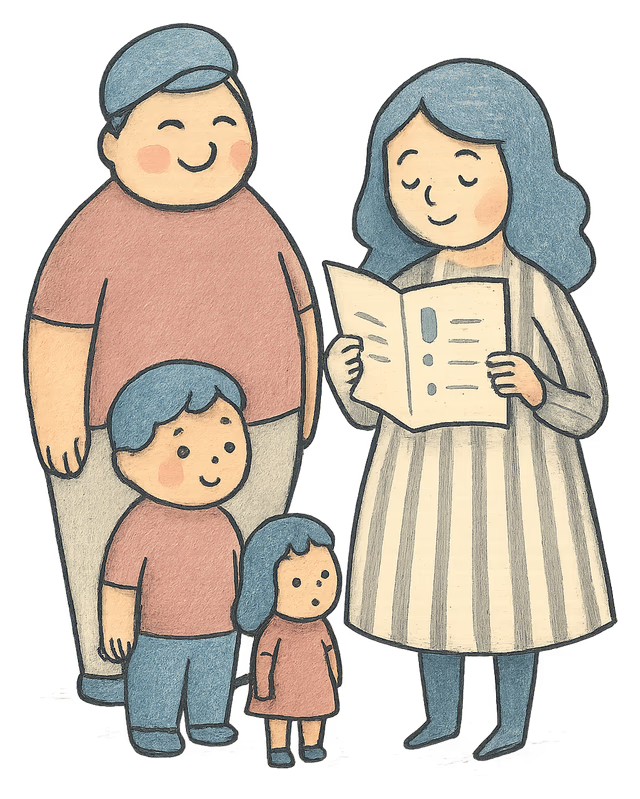
This page is about changing your name.
It is for people who live in the UK.
It uses short sentences and pictures.
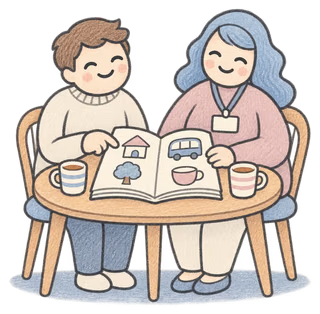
You can read it with someone you trust.
This could be a friend, someone in your family, or your support worker.
A support worker is someone whose job is to help you.

Words in bold are important.
There is a list of hard words at the end of the page.
What does changing your name mean?#
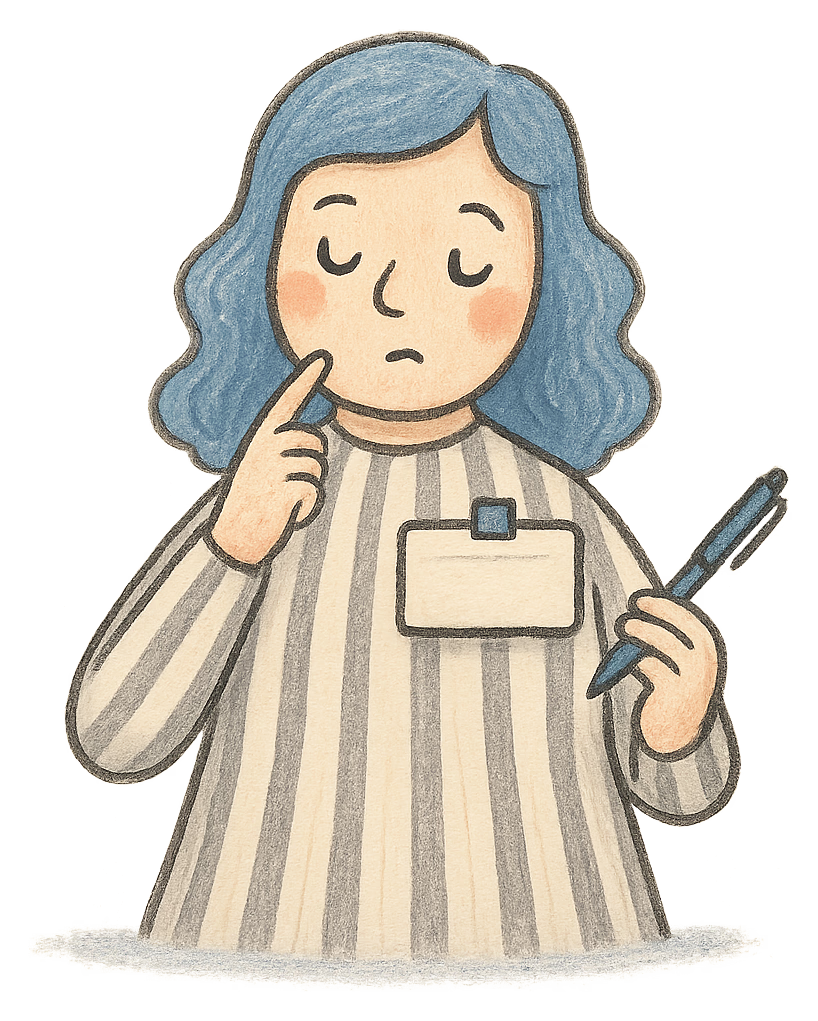
Your name is what people call you.
It is also the name on your letters, your cards and your records.
You can choose a new name.
To make it count, you need a deed poll.
A deed poll is a paper that says you have a new name.
Your new name starts on the day you sign your deed poll.
You do not need to send it anywhere to make it count.
You can use your new name straight away.
Your deed poll is private.
It does not go on a list that other people can look at.
Only the people you show it to will see it.
Who can change their name?#
If you are 16 or over, you can change your own name.
You do not need anyone to say yes.
You do not have to tell anyone why.
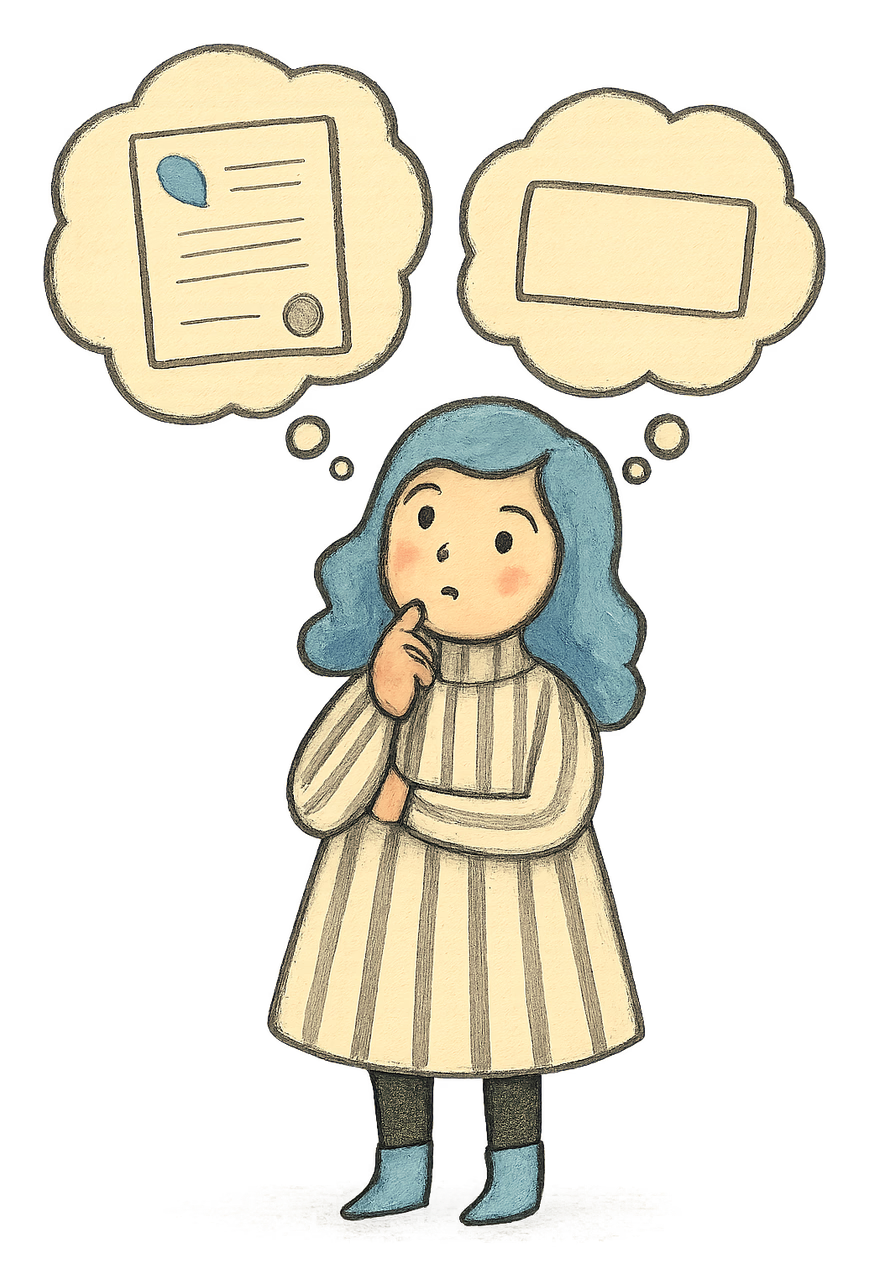
It is your choice.
People should help you understand it, so you can decide.
You sign the deed poll yourself.
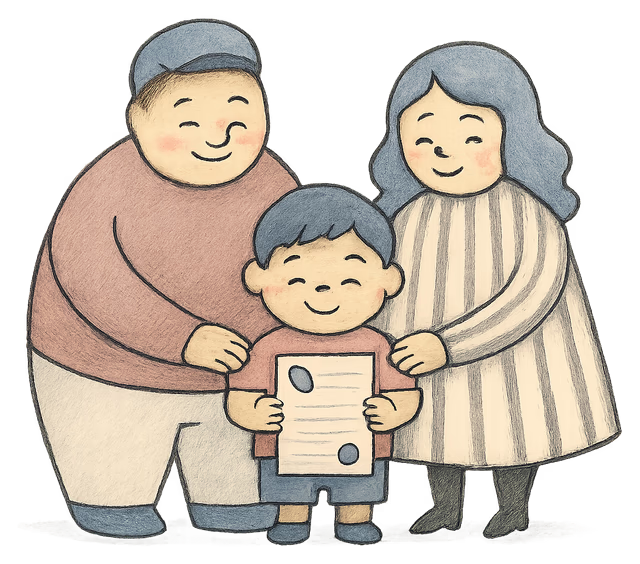
If a child is under 16, a parent makes the deed poll for them.
Everyone with parental responsibility for the child must agree.
Parental responsibility means the legal right to make choices for a child.
It is usually the child's parents.
If they do not agree, a court can decide.
A court is a place where a judge makes decisions.
How do I choose a new name?#
You can change your first name, your surname, or both.
Your surname is your family name, like Smith.
You can also add a name, or take one away.

GOV.UK has 3 rules for a new name:
- people must be able to say it;
- it must not have numbers or symbols, like 7 or &;
- it must not be rude.
A hyphen is fine, like in Smith-Jones.
Take your time.
Talk about it with someone you trust.
Try saying your new name out loud.
How do I get a deed poll?#
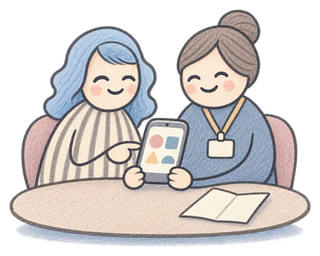
A deed poll is the paper that says your new name.
You can make one for free.
GOV.UK has the words to use.
GOV.UK is the government's website.
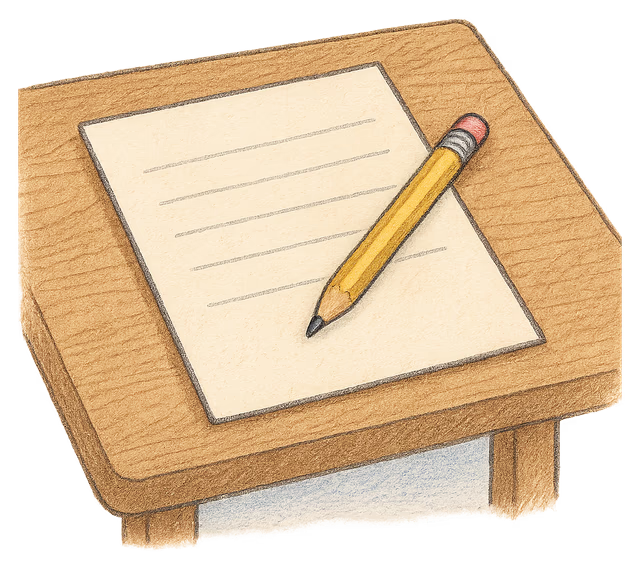
Copy the words onto paper.
Put in your old name, your new name and your address.
You can type it and print it, or write it by hand.
It does not cost anything.
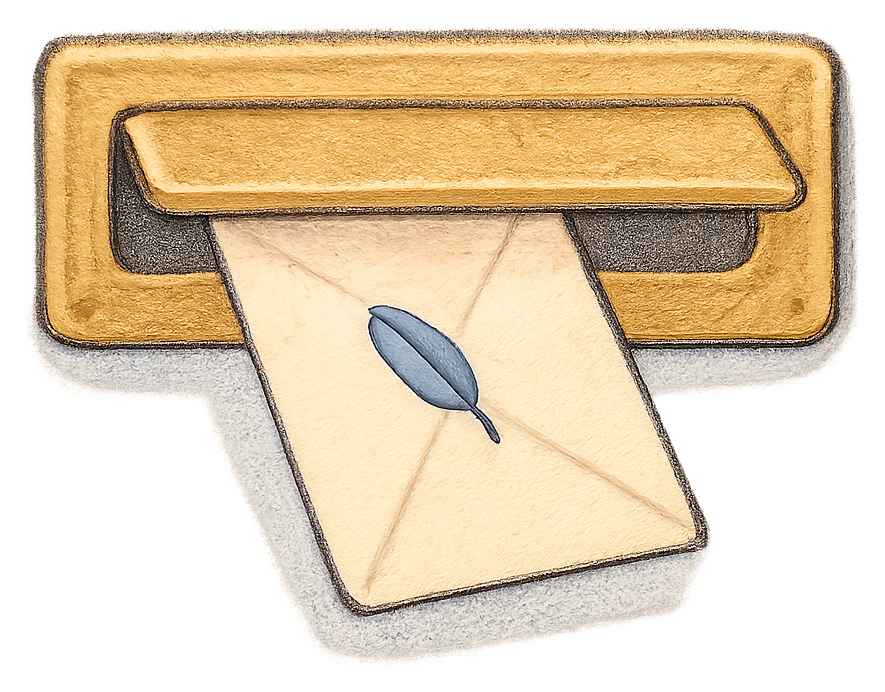
Or you can buy a deed poll from a company.
The company writes it for you and posts it to you.
This website sells deed polls.
One costs £18.50.
A free deed poll and one you buy count the same.
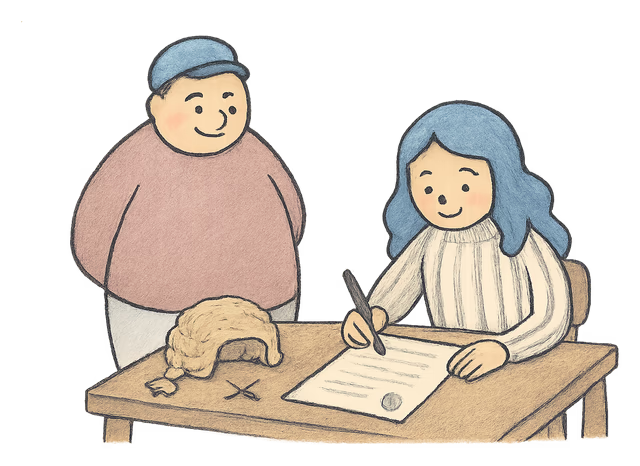
You do not need a solicitor.
A solicitor is a kind of lawyer.
How do I sign my deed poll?#
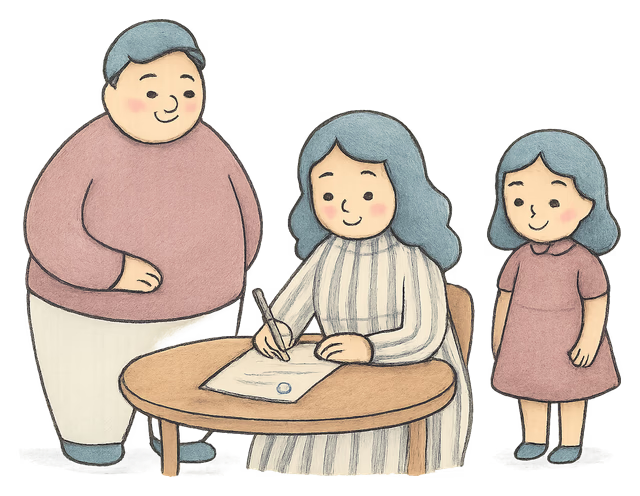
You sign your deed poll while 2 witnesses watch.
A witness is a person who watches you sign.
They must be in the same room as you.
A video call does not count.
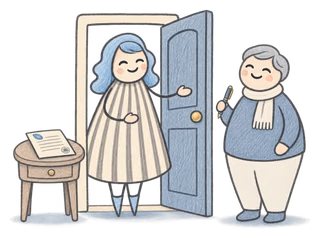
Each witness must be 18 or over.
A friend, a neighbour or someone you work with is a good witness.
Your support worker may be able to be a witness.
Ask them.
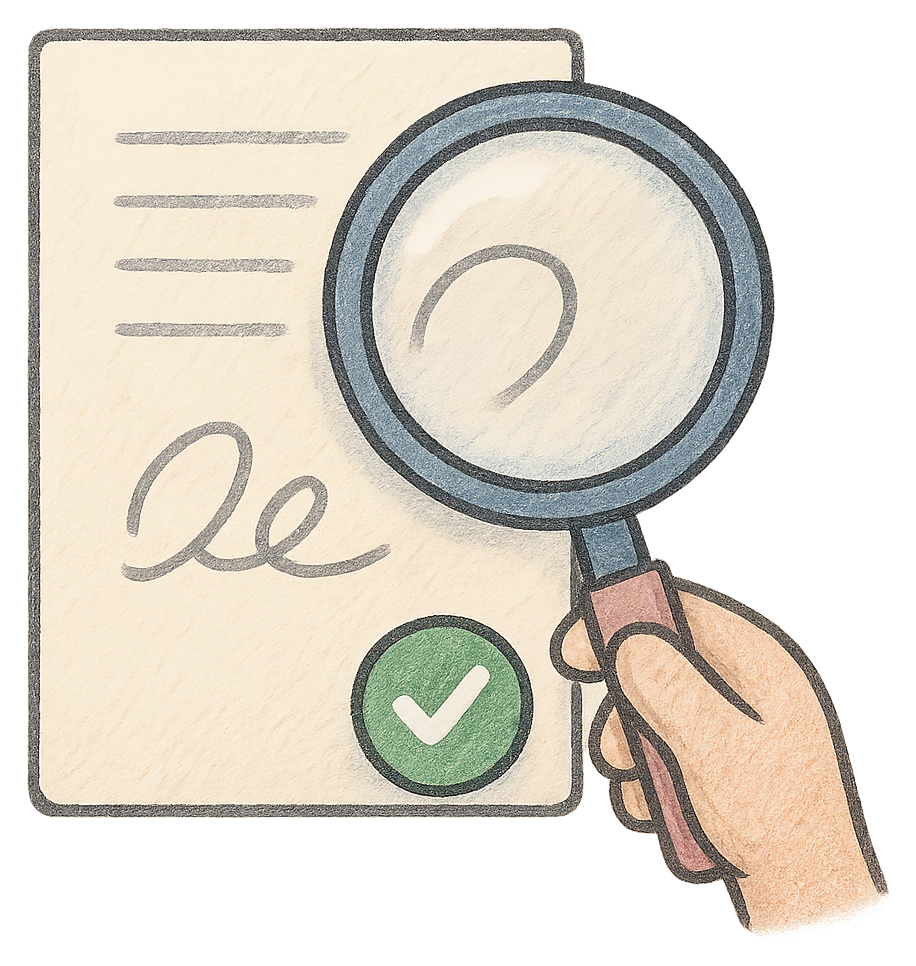
Do not ask someone in your family.
Do not ask someone who lives with you.
Some places will not accept these witnesses.
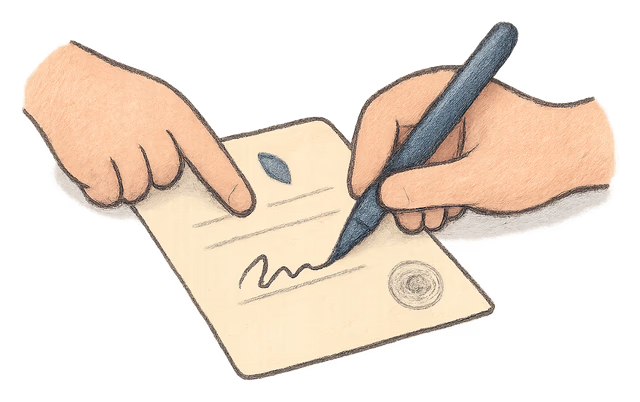
Sign in your old name and in your new name.
Use a pen, on paper.
Do not sign on a screen.
Write the date you sign.
Then your witnesses sign, and write their names and addresses.
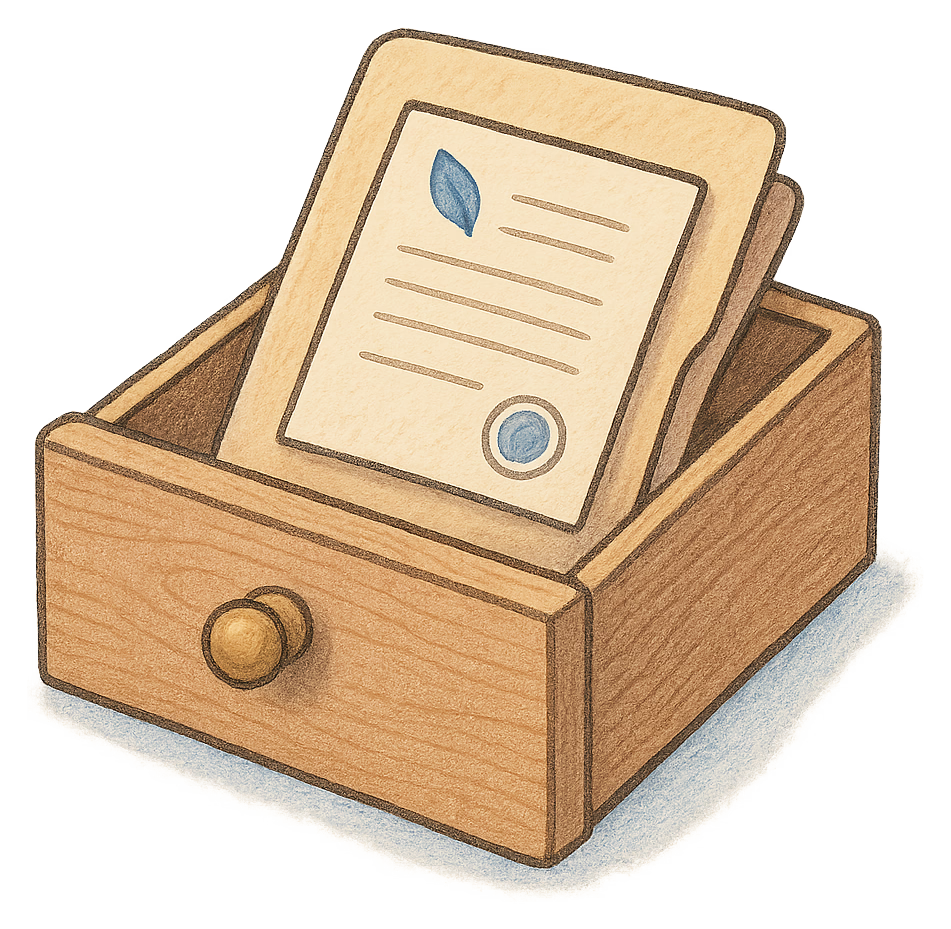
Keep your deed poll safe.
Some places will ask to see it.
Ask before you post it.
Some places keep what you send them.
Who do I tell about my new name?#
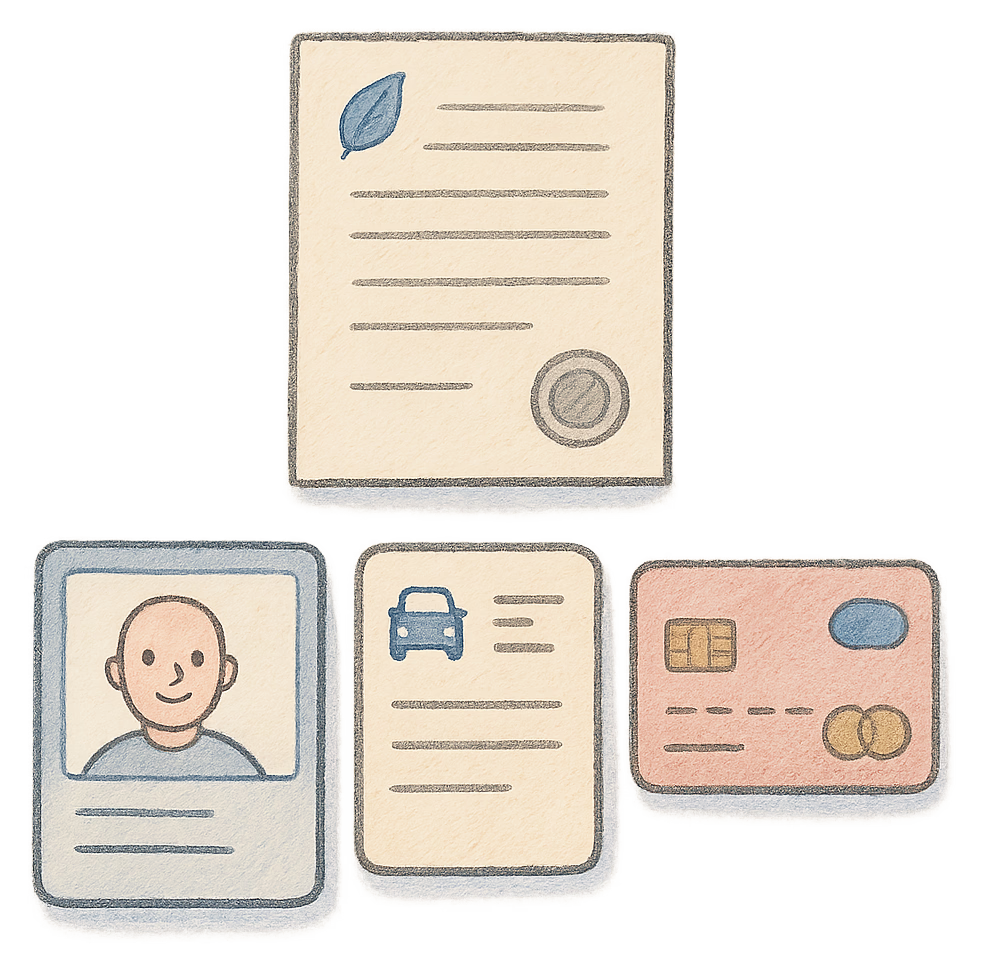
Your deed poll does not tell anyone for you.
You need to tell the places that know your name.
It helps to tell them in this order.
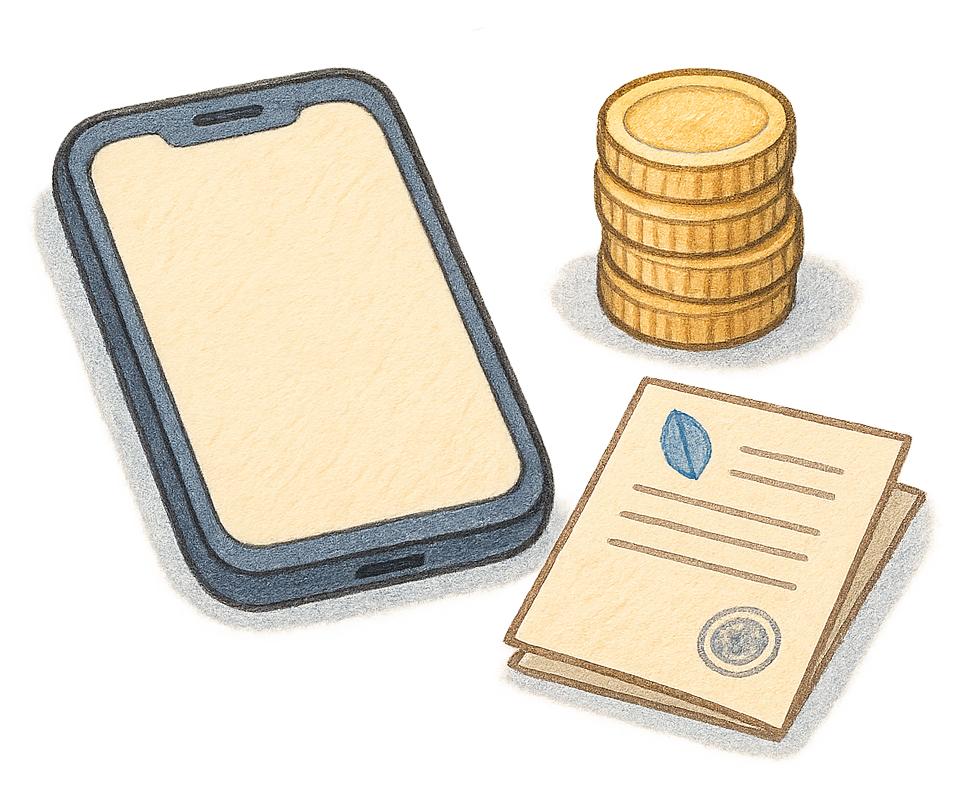
Step 1: your benefits
Benefits are money from the government, like Universal Credit or PIP.
If you get benefits, tell them your new name straight away.
If you do not, your money could stop or go down.
For Universal Credit, tell them in your online account.
For other benefits, you may need to phone.
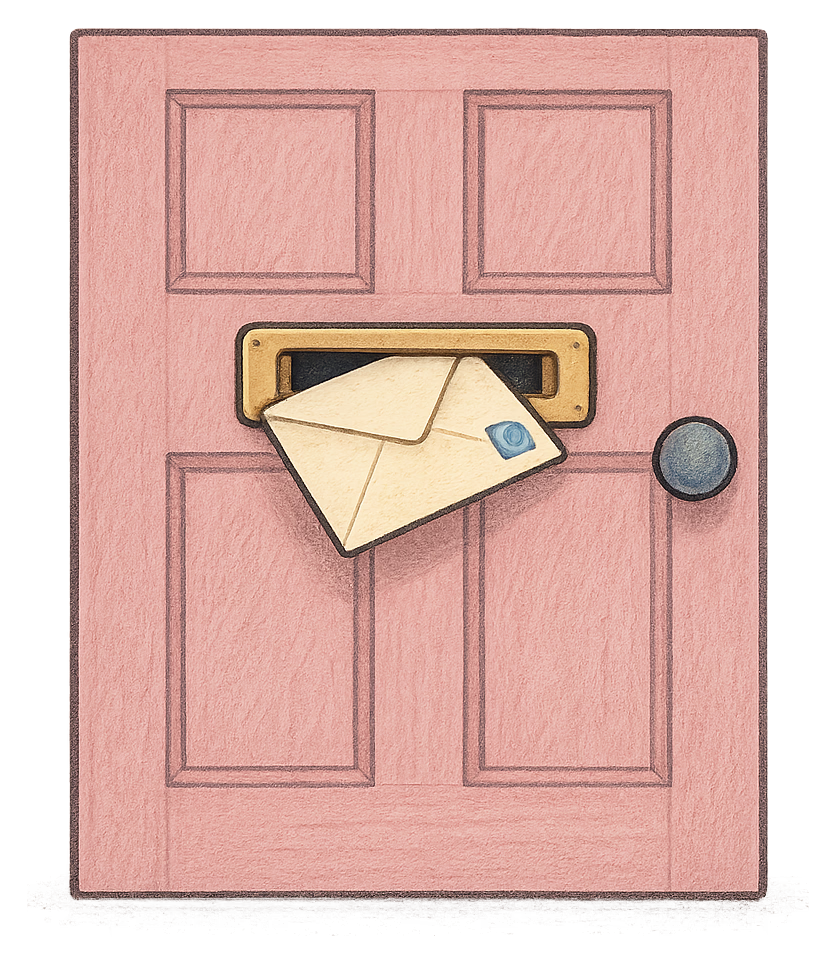
Step 2: get a letter in your new name
Tell HMRC.
HMRC is the government's tax office.
You can tell HMRC online.
Tell your council too.
Your council is the local office for where you live.
A letter from them in your new name helps with your passport later.
A payslip from work helps too.
A payslip is the paper that shows your pay.
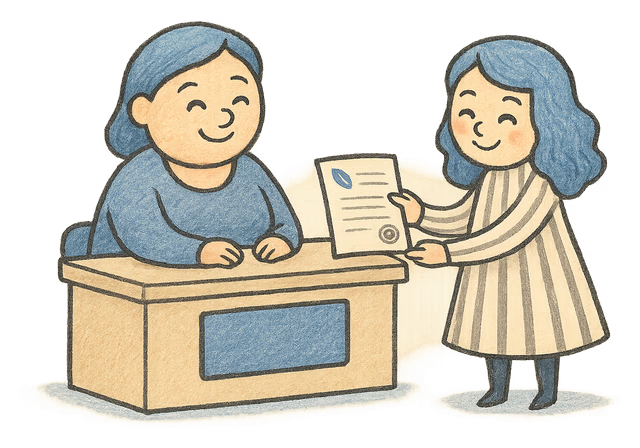
Step 3: your bank
Ask your bank what they need to see.
Some banks want to see your new passport or driving licence first.
If yours does, tell the bank after you get them.
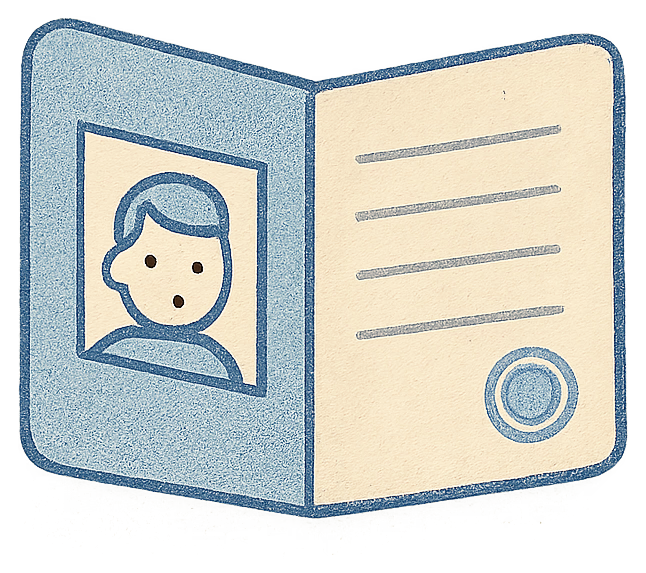
Step 4: your passport
A passport is a small book you need to travel to other countries.
If you have one, you need a new passport in your new name.
Send your deed poll, and your letter or payslip in your new name.
The passport office sends your deed poll back to you.
Apply direct: on GOV.UK, or at a Post Office.
Do not use any other website or company.
They charge you more.
This website does not help with passport forms.

Do not book a holiday in your new name until your new passport comes.
The name on your ticket must match the name on your passport.
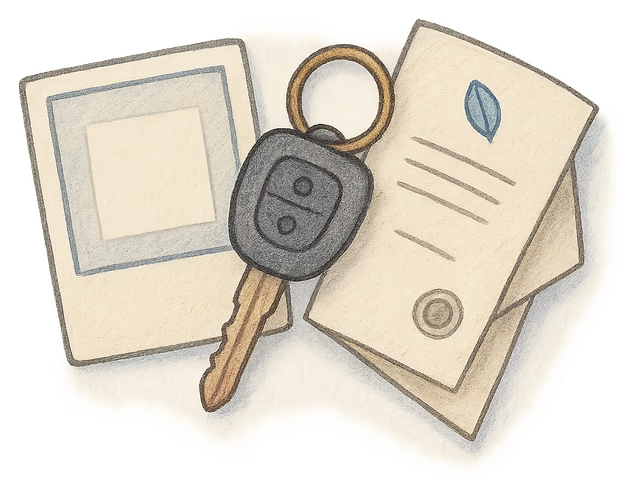
If you drive, change your driving licence too.
It is free.
You can still drive while you wait for the new one.
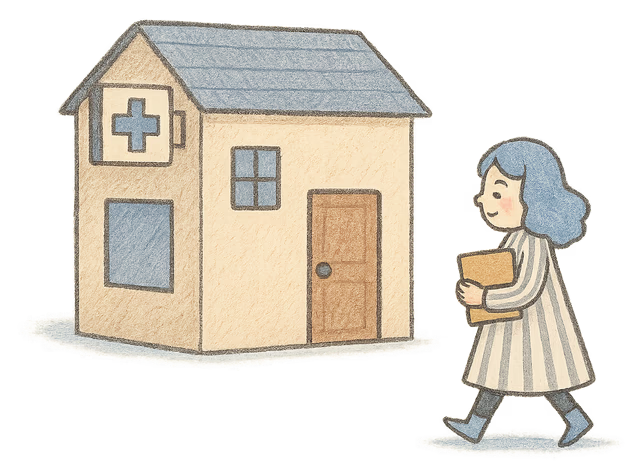
Step 5: your doctor, and everyone else
Tell your doctor's surgery.
This is also called your GP.
They can change your name on your health records.
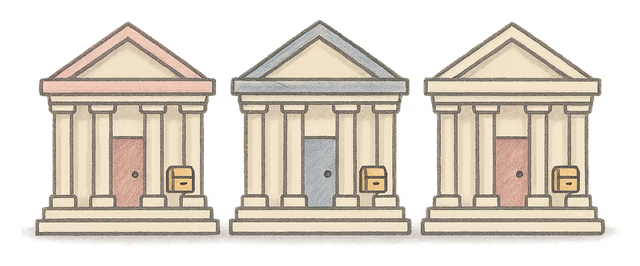
Then tell the other places that know you, like:
- your work, school or college;
- your dentist;
- your gas, electric and phone companies;
- your landlord, if you rent your home.
Who to tell, and in what order has the long list.
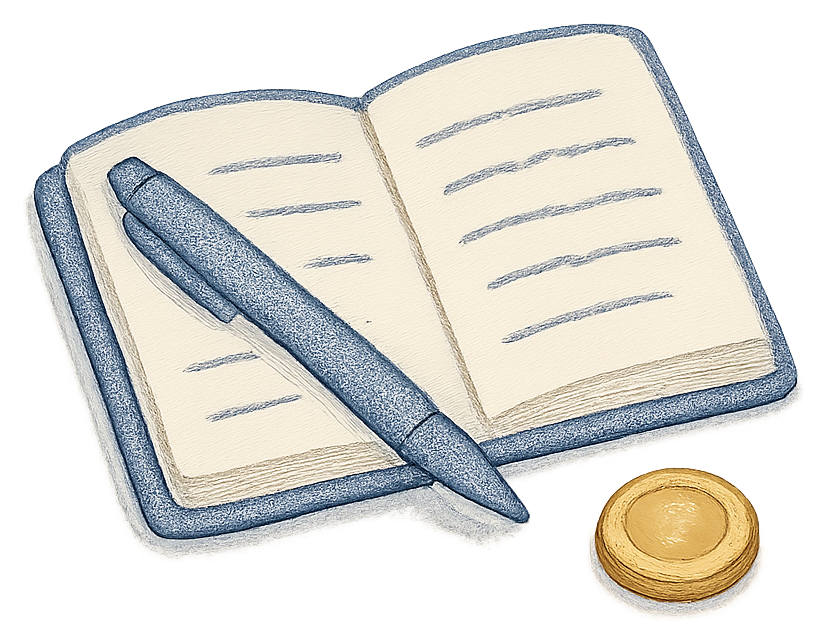
Keep a list of who you have told.
Write the date next to each one.
Does changing your name cost money?#

A deed poll you make yourself is free.
Most places do not charge you to change your name.
Changing your driving licence is free too.

A new passport costs money.
It costs £102 if you apply online.
It costs £115.50 if you use a paper form.
Who can help me?#
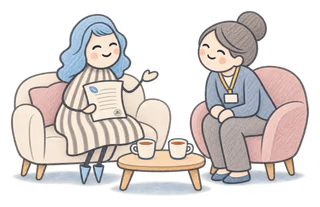
Your support worker, a friend or your family can help you.
They can help you read, fill in forms and post letters.
But you sign your own deed poll.
Mencap is a charity for people with a learning disability.
A charity is a group that helps people.
Mencap has a Learning Disability Helpline.
It gives free advice in England, Wales and Northern Ireland.
Mencap's helpline page tells you how to contact it.
Citizens Advice gives free advice in England and Wales.
Find your local Citizens Advice.
In Scotland, there is Citizens Advice Scotland.
Other charities can help too.
Charities that can help you change your name lists them.
What if something goes wrong?#
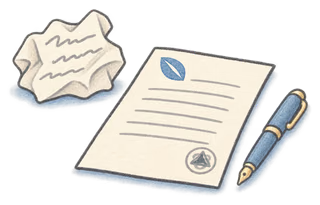
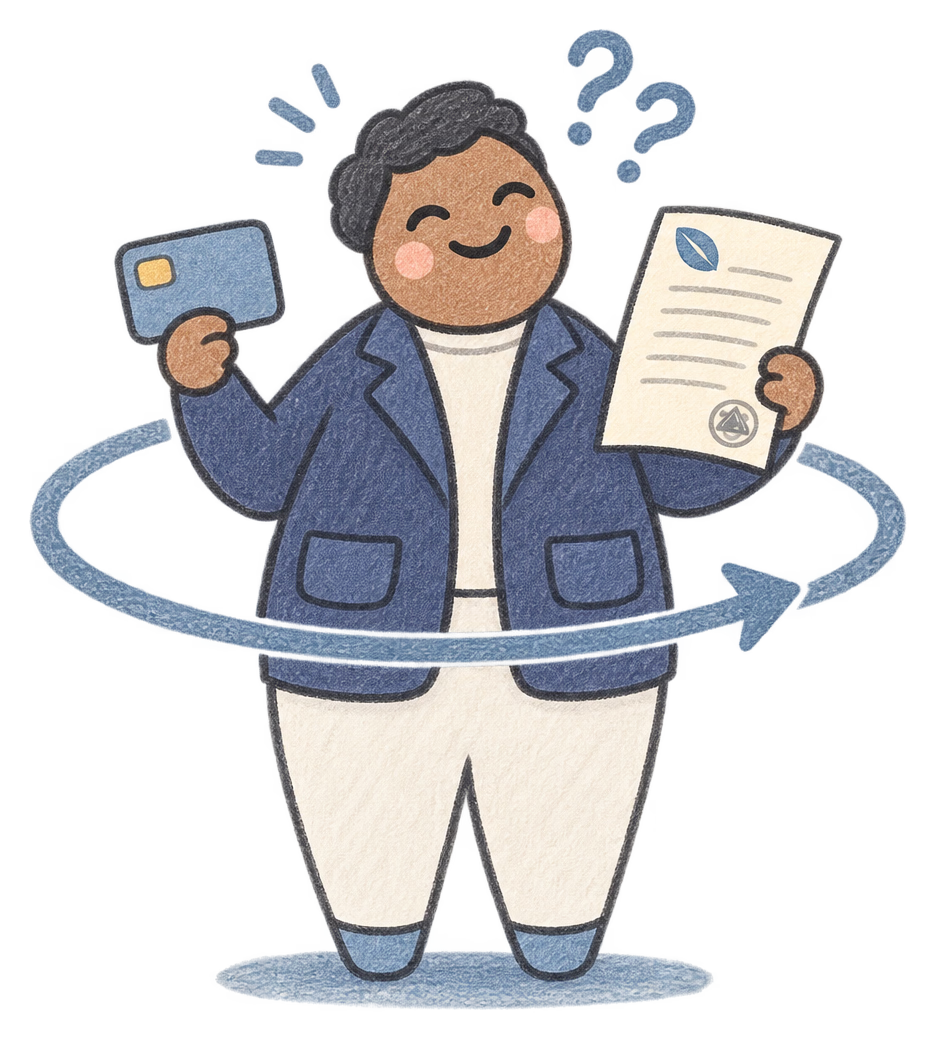
If there is a mistake on your deed poll
Do not cross it out or change it.
Make a new deed poll.
Sign it again, with your witnesses watching.
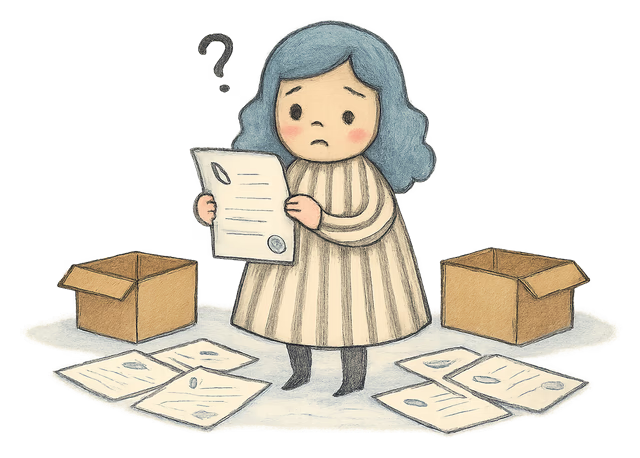
If a place says no to your deed poll
Ask them what they need.
Ask your supporter to help you talk to them.
If you bought your deed poll, tell the company that made it.
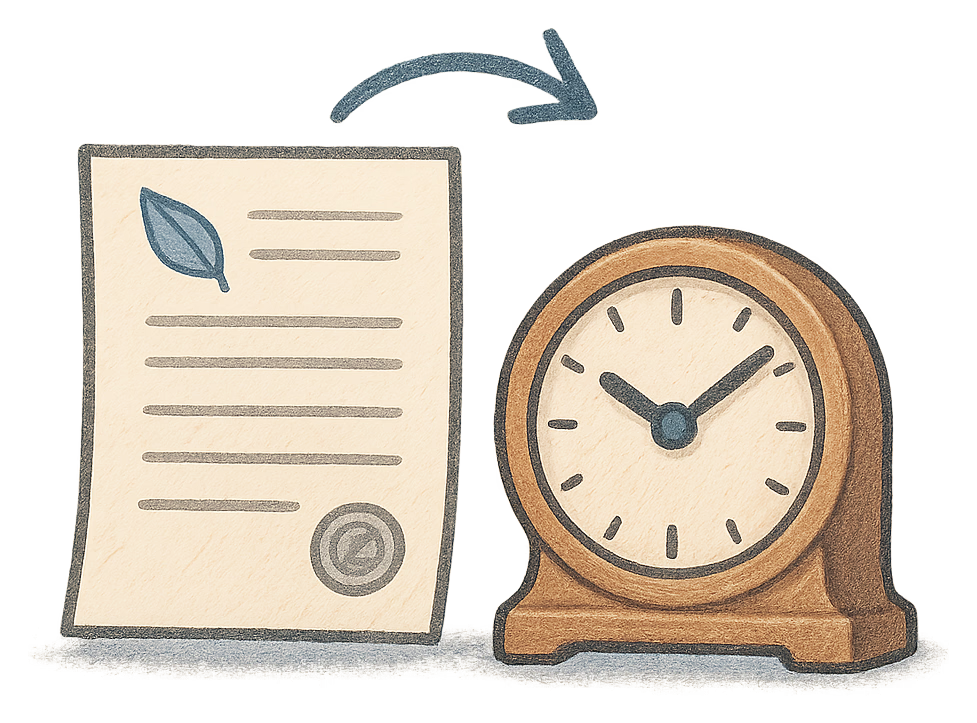
If you lose your deed poll
Your name is still your new name.
You can make a new deed poll, or ask the company for a new copy.
If you want your old name back
That is OK.
You can make a new deed poll to go back to your old name.
If someone is making you change your name
It is your choice.
Nobody should push you.
Tell someone you trust, like your support worker or your doctor.
Mencap's helpline in England can give advice about keeping safe.
If you are in danger right now, call the police.
Is it different for me?#
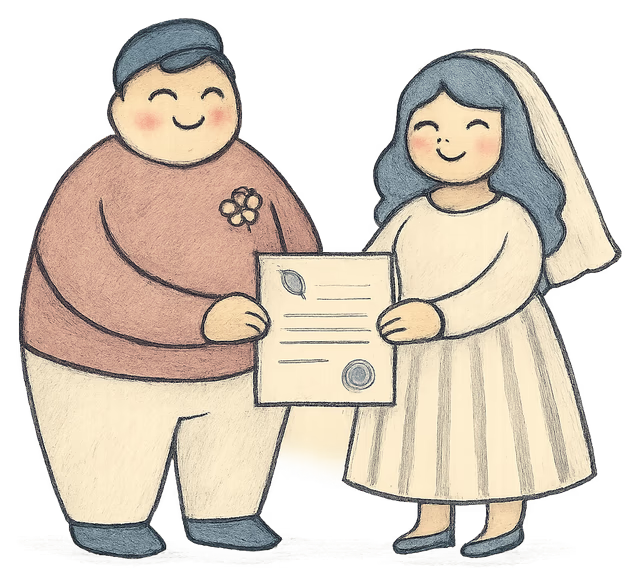
If you are getting married
You do not need a deed poll to take your partner's surname.
You show your marriage certificate instead.
A certificate is an official paper.
It is the same for a civil partnership.
A civil partnership is like a marriage.
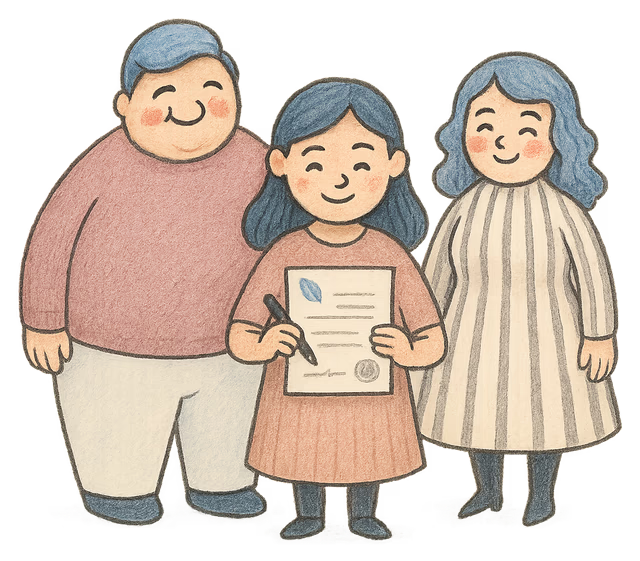
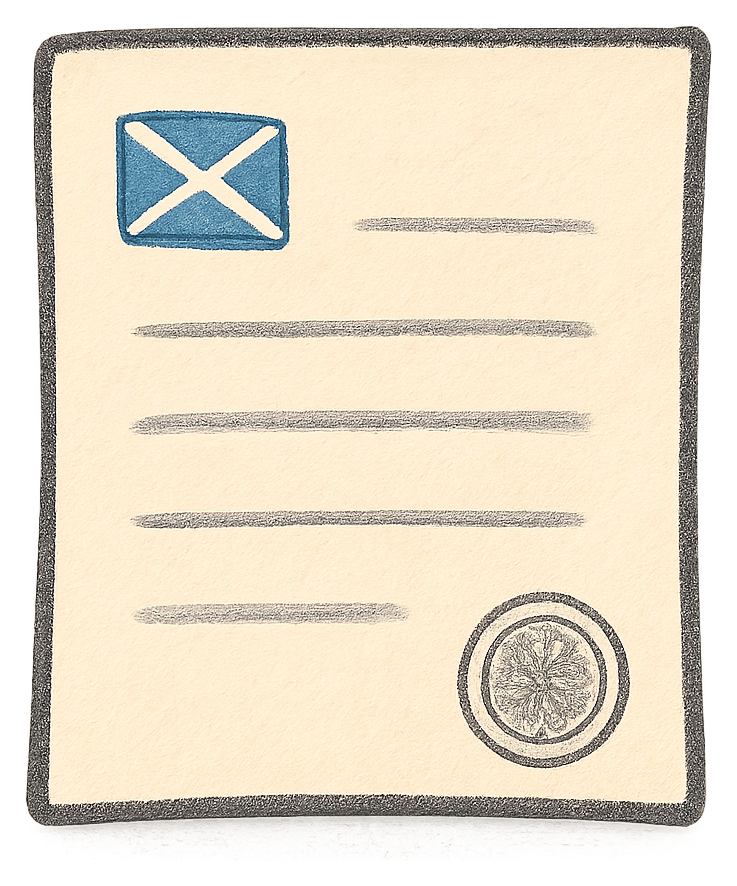
If you live in Scotland, Wales or Northern Ireland
A deed poll works there too.
If you were born in Scotland, there is another way as well.
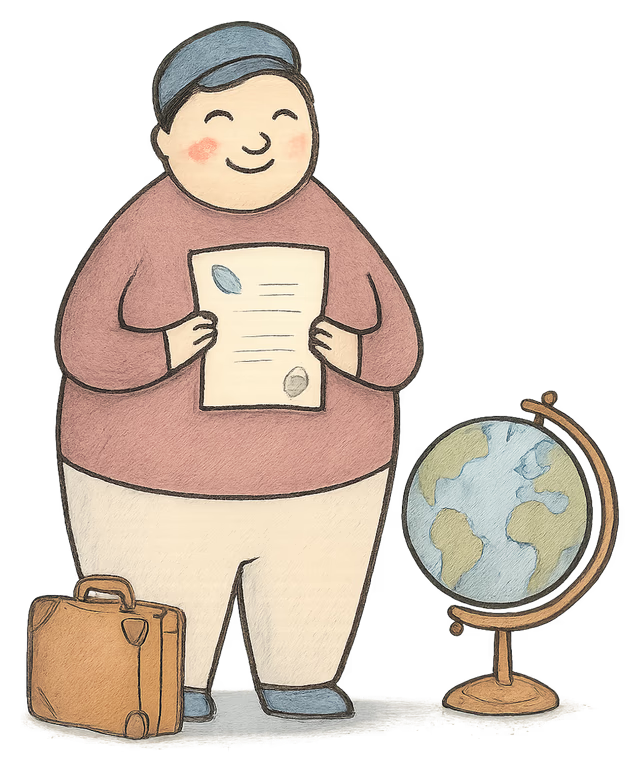
If you live in another country
You cannot use a deed poll if you live in another country for good.
GOV.UK says this.
If you are changing your name to be safe
Read changing your name to stay safe first.
It tells you who can see your old and new names.
What do I do next?#
Your next step is to read the free deed poll words with someone you trust.
The free deed poll words on GOV.UK
Then choose your 2 witnesses.
How can I help someone with a learning disability change their name?#
This part is for support workers, family and carers, in ordinary plain English.
Start from the person's own decision. GOV.UK's rule is the same for everyone: anyone aged 16 or over can make a deed poll, without anyone's agreement and without giving a reason. In England and Wales, section 1 of the Mental Capacity Act 2005 says a person must be assumed to have capacity unless it is established that they lack it, must not be treated as unable to decide until all practicable steps to help them have been taken without success, and must not be treated as unable to decide merely because the decision seems unwise. Reading this page together, taking time over the choice of name, and coming back to it on another day can all be practicable steps.
If you think the person cannot make this decision, stop before anything is signed. GOV.UK's deed poll guide describes no route for changing another adult's name. The nearest it comes is on enrolment, the optional court record, where a consent letter may be asked for when someone is unable to fill in the form on their own behalf for medical reasons. Take advice first, from the Office of the Public Guardian or from a solicitor who practises in the Court of Protection. Mencap and the Mental Capacity Act covers attorneys, deputies and appointees.
Witnessing. You can be one of the witnesses if you are 18 or over, are not a relative, do not live at the same address, and your employer's policy allows it. GOV.UK's wording has two witnesses; HM Passport Office's guidance to its staff (version 28.0) accepts a deed poll signed by at least one witness who need not be a solicitor, provided the person signs it in both their old and their new name, in wet ink, with a date. You must be in the room as the person signs. Your name and address go on the deed, and anyone it is shown to will see them.
Benefits first. GOV.UK lists a change of name among the changes a claimant must report, and warns that a claim might be stopped or reduced if a change is not reported straight away. If you are the person's appointee for benefits, GOV.UK makes you responsible for making and maintaining the claim, so the report falls to you.
Photo ID and banks. A deed poll shows that a name has changed; it does not prove who someone is. Several banks want a passport or driving licence in the new name before they will change their records (banks compared), so for someone without either, plan the order before telling the bank. How to change your name in the UK is the full guide, and helping someone change their name is written for support workers.
How this page is written. It follows the Easy Read advice in GOV.UK's guidance on accessible communication formats (updated 17 June 2026), Mencap's poster on designing for people with a learning disability, and Inclusion Europe's easy-to-read checklist: short sentences with one idea each, each sentence on its own line, everyday words with any hard word explained where it appears, text of at least 16 pixels, a picture beside each point on the left, key words in bold, and numbers as digits. GOV.UK's own deed poll guide is published in English and Welsh, and when we checked on 28 November 2026 we found no Easy Read version of it. The page prints with each picture beside its words. If any part is hard to follow, please tell us through our contact page so we can make it clearer. Every fact here was checked against the sources below on 28 November 2026.
What do the hard words mean?#
| Word | What it means |
|---|---|
| Benefits | Money from the government, like Universal Credit or PIP |
| Charity | A group that helps people |
| Council | The local office for where you live |
| Court | A place where a judge makes decisions |
| Deed poll | A paper that says you have changed your name |
| GOV.UK | The government's website |
| GP | Your doctor at your local surgery |
| HMRC | The government's tax office |
| Parental responsibility | The legal right to make choices for a child |
| Passport | A small book you need to travel to other countries |
| Payslip | A paper from work that shows your pay |
| Solicitor | A kind of lawyer |
| Support worker | Someone whose job is to help you |
| Surname | Your family name, like Smith |
| Witness | A person who watches you sign |
Questions people ask
Can a person with a learning disability change their name?
Yes. GOV.UK says anyone aged 16 or over can make a deed poll, and it sets no test of capacity. In England and Wales the Mental Capacity Act 2005 says a person must be assumed able to make a decision unless it is shown they cannot, and must be given every practicable help to decide first. GOV.UK's deed poll guide describes no route for an adult who is unable to make the decision, so take advice before anything is signed.
Can a support worker witness a deed poll?
Usually, yes, if your employer allows it. A witness must be 18 or over, and GOV.UK warns that some organisations will not accept one who is a close relative or lives at the same address. You must be in the room and watch the person sign, then sign and write your own name and address. HM Passport Office's guidance says a witness need not be a solicitor.
Is there an Easy Read version of GOV.UK's deed poll guide?
Not that we could find. GOV.UK's guide to changing your name by deed poll is published in English and Welsh, and when we checked on 28 November 2026 there was no Easy Read version. This page covers the same steps in Easy Read, with every fact taken from GOV.UK and the organisations it names.
Something else? Ask us, and a person replies by email, normally the same working day.