Situations
What is different in your situation
The steps are the same for most people. What changes is the consent you need, the documents you can use and the organisations that matter. Each situation below has its own guide.
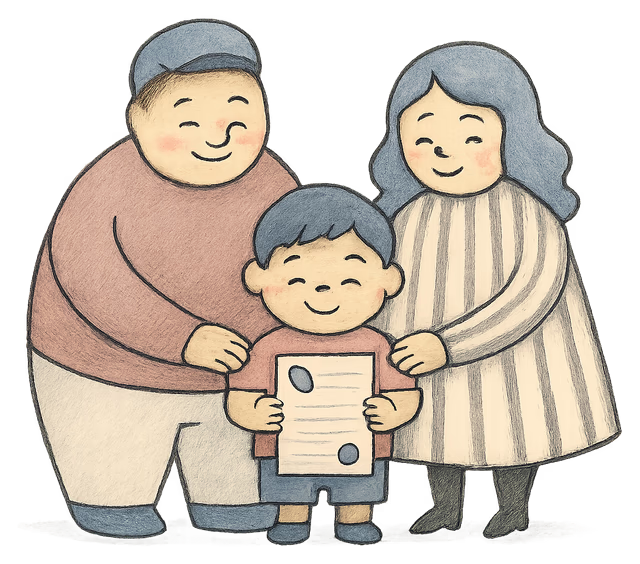 Changing a child's nameHow a child's name is changed in England and Wales: who has parental responsibility, why everyone must agree, what the court weighs, and the rules at 16 and 17.
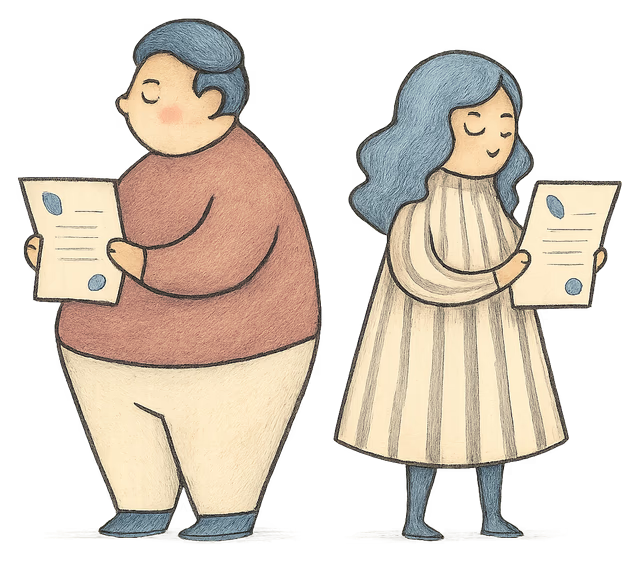 Changing your name after divorce, dissolution or separationGoing back to a former name after divorce: the papers that usually do it, what to do if an organisation refuses, and when a deed poll is simpler.
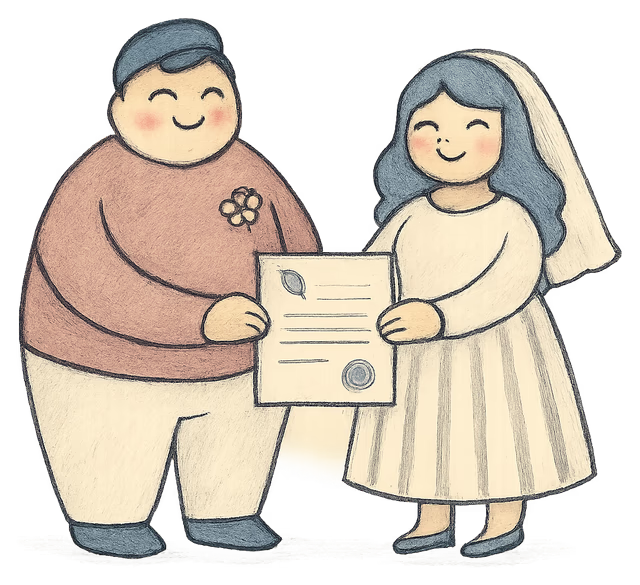 Changing your name after marriage or civil partnershipTaking a spouse's surname needs no deed poll: the certificate is the evidence. When a deed poll is needed, and what the passport office and Land Registry want.
 Changing your name if you are not a British citizenA deed poll works in the UK whatever your nationality, but the Home Office expects your passport and eVisa to match. What UKVI requires.
 Changing your name in Northern IrelandIn Northern Ireland you can change your name by deed poll or, if born or adopted there, record it with GRONI for £35. What each does and who accepts what.
 Changing your name in ScotlandChanging your name in Scotland: a deed poll or statutory declaration as evidence, and the optional £40 record National Records of Scotland adds to your birth entry.
 Changing your name in WalesWales and England share one law: a deed poll signed in front of witnesses changes your name. GOV.UK's guidance is published in Welsh, and the records are the same.
 Changing your name when you transitionA deed poll changes your name whatever your gender; a Gender Recognition Certificate is separate and optional. What each organisation asks for.